



Terrazzo Two Common Aggregates Introduction
Terrazzo Two Common Aggregates Introduction
When choosing inorganic terrazzo as the floor material, the selection of aggregate is particularly important. The selection of aggregates suitable for the project is beneficial to the whole project, and even the selection of aggregates will determine the quality of inorganic terrazzo flooring. In this article, we provide various aggregates for reference, and hope to help you!
丨Marble aggregate
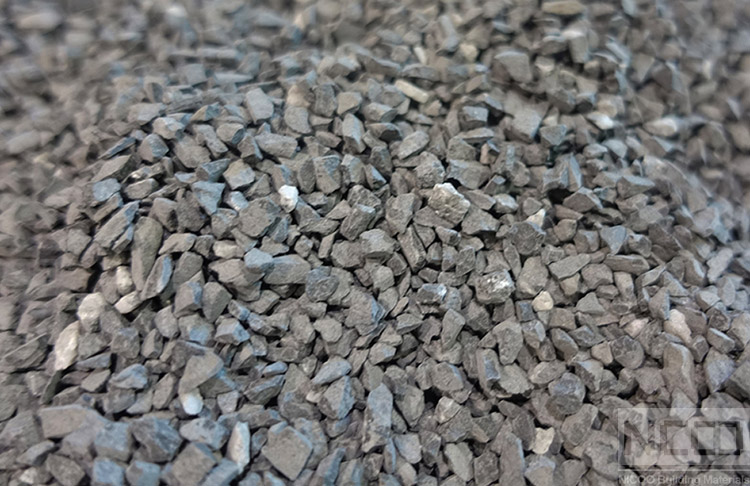
Marble aggregates are distributed all over the world, with a wide variety. Each quarry will mine marble aggregates of different colors for the construction of inorganic terrazzo. These marble aggregates can be crushed into a variety of sizes to meet your project needs.
丨River rock aggregate
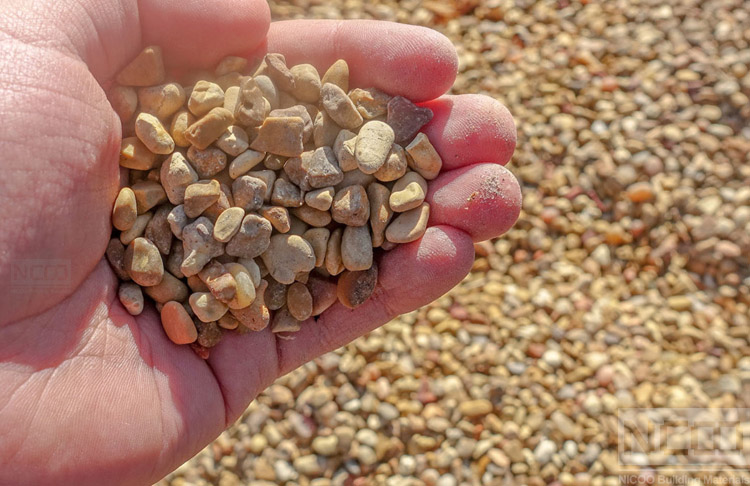
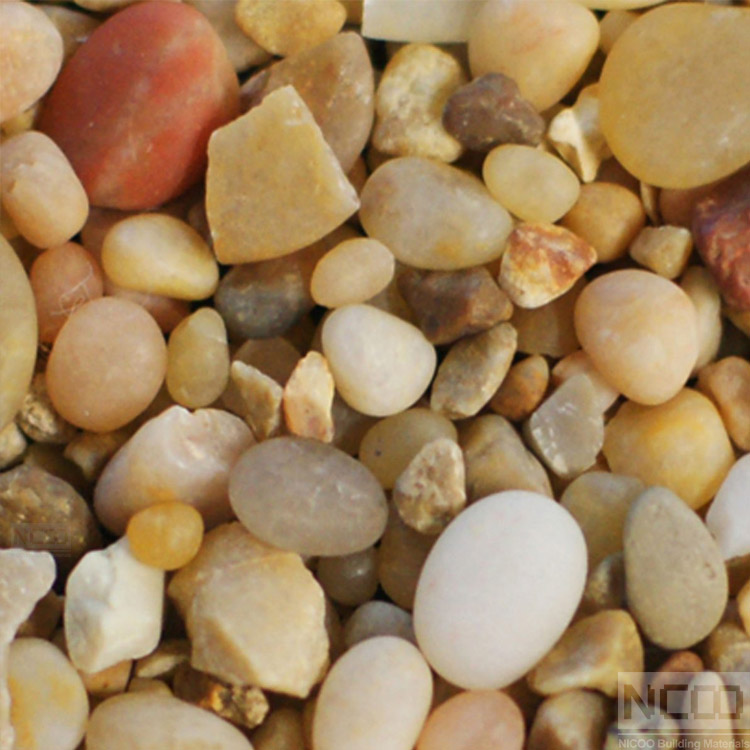
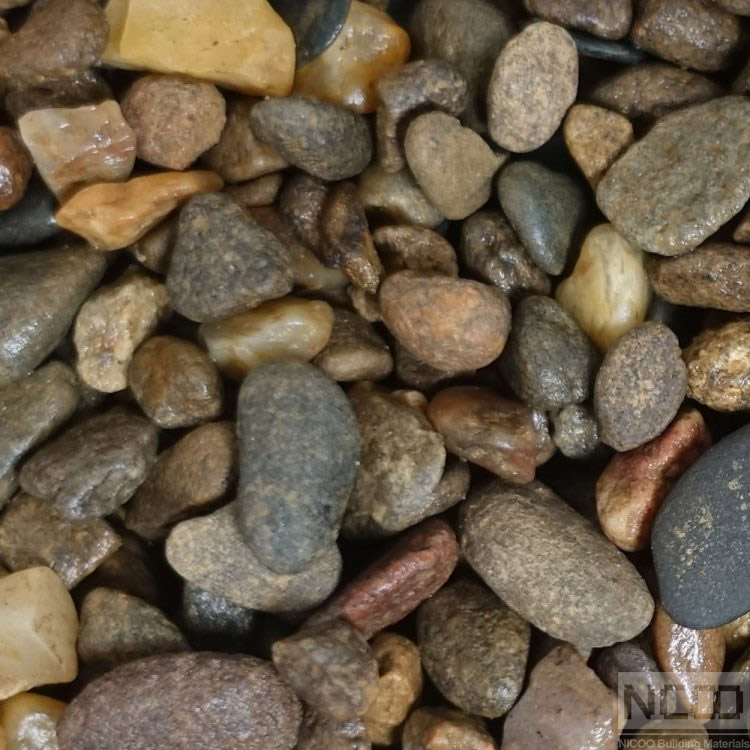
Pebbles (river rocks) are mainly distributed in two locations - around the beach and in lakes and ponds. They are smoother and rounder than marble fragments. However, cobblestones have been used for both indoor and outdoor applications for centuries and are known for their textured appearance and color. Like marble chips, pebbles can be broken into many sizes.
丨Marble aggregate in inorganic terrazzo floor
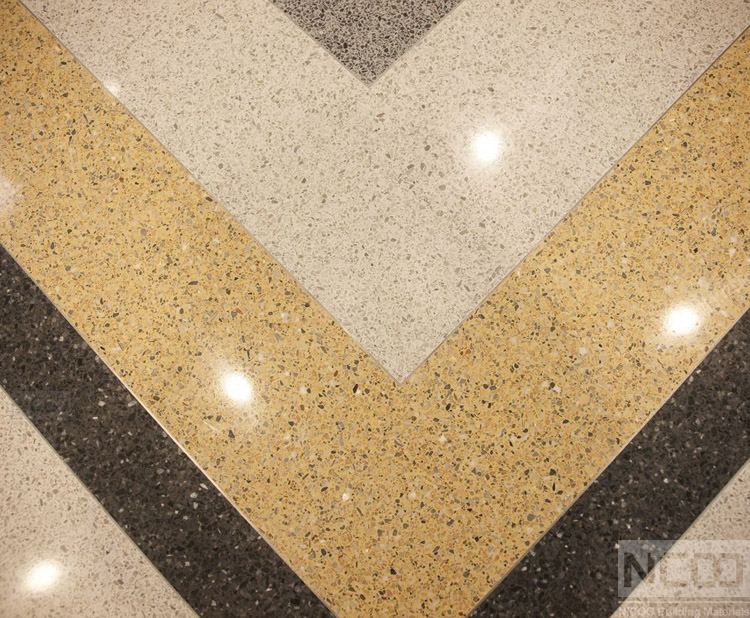
Marble has been a traditional source of aggregate for inorganic terrazzo floor design for centuries, and today marble shards can be combined with cement to create inorganic terrazzo floor floors, stairs, countertops or tables, chairs and benches.
The debris density of the finished inorganic grinding stone floor surface is as low as 70%. White and black marble shards are commonly used in today's inorganic terrazzo floor designs, but there are marble crushed stones of any color, and crushing of any size can give the inorganic terrazzo floor a unique look. Inorganic terrazzo flooring is a proven solution that provides buildings with durable and aesthetically pleasing floors for many years.
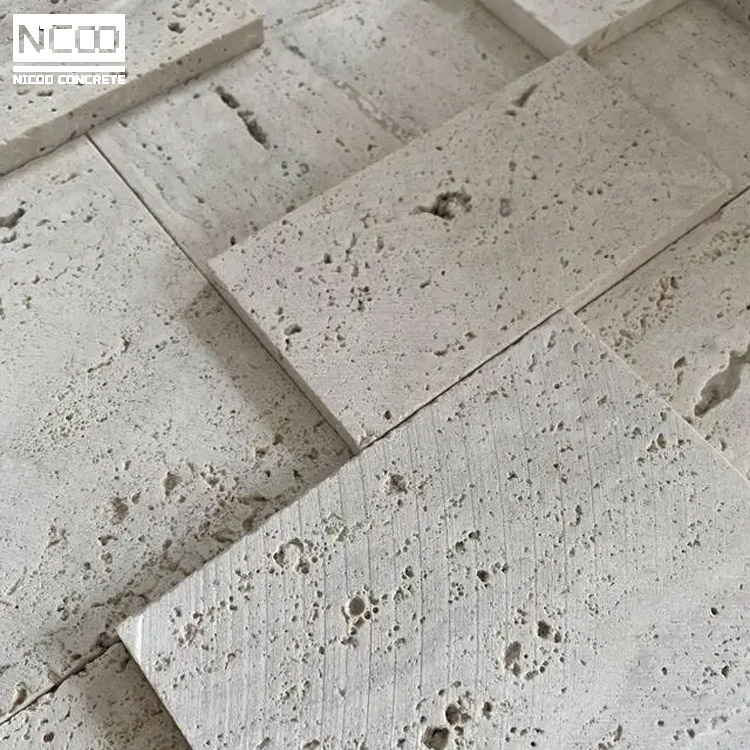
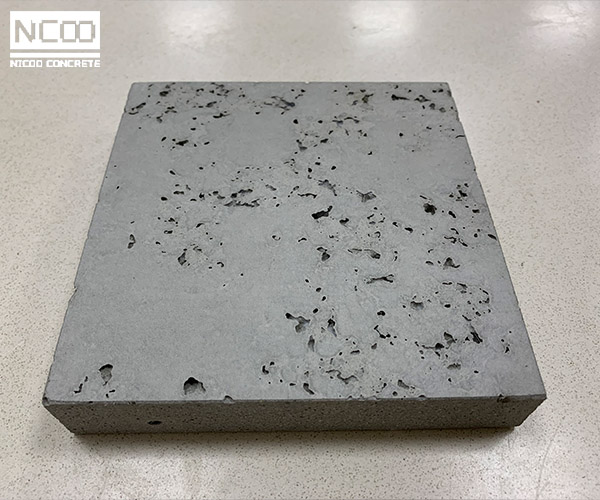
Comparison of natural and artificial travertine
Travertine is named for its many holes in the surface. Its scientific name is travertine or tuber, and its English name is Travertine, which is a kind of marble. However, because of its texture and appearance and the traditional sense of marble is very different, so it is customary to classify it as a unique category.
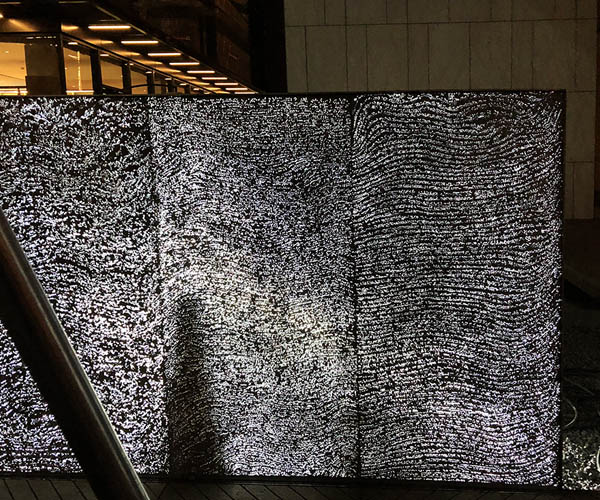
NICOO 2020 New Product Translucent Concrete
Translucent concrete is one of NICOO's flagship products in 2020. Combined with various customized products, it will bring more new ideas and creations to customers.
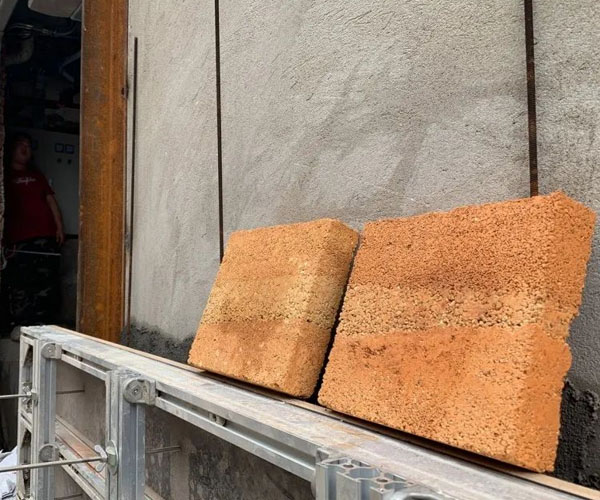
How to Install Rammed Earth Wall Panels
The construction process of the rammed earth board is simple and the installation is fast. The installation methods can choose straight row nailing and structural adhesive installation. The exterior wall of the building adopts the form of dry hanging, and the landscape wall adopts the form of dry hanging or mounting.
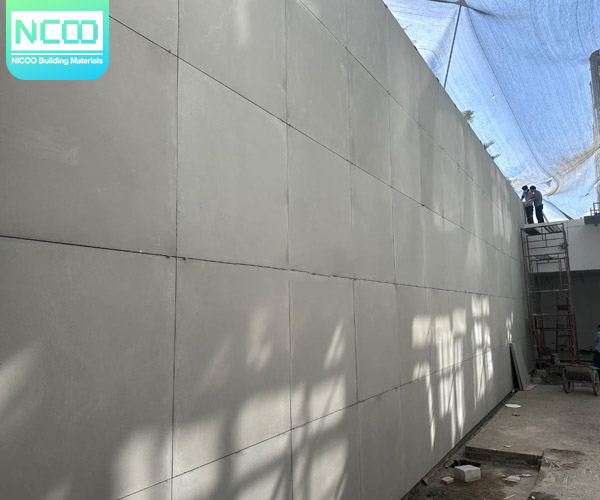
Dry Hanging Installation Of Fair-faced Concrete Slab On Exterior Wall
Precast concrete slab (precast cement slab) external wall dry hanging technology with its unique decorative effect and exquisite technology, gives new vitality to modern buildings. The technology uses dedicated connectors and pendants to mount concrete slabs directly onto exterior structures without the need for mortar or adhesives, creating a unique facade effect.