

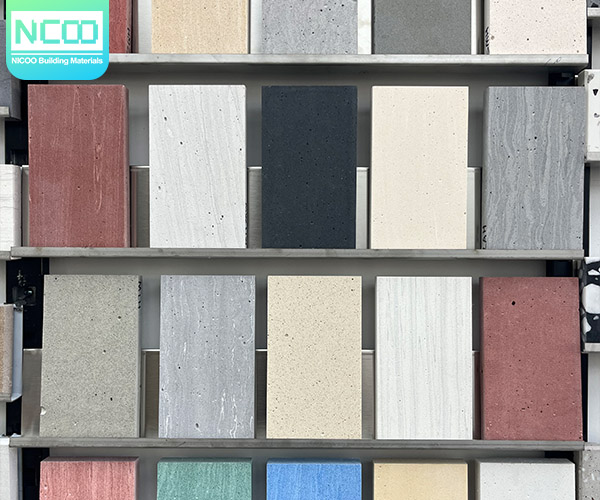

Raw stone - Inorganic artificial travertine stone
Artificial stone since its birth, after decades of development, has already been one of the mature decorative materials on the market, and now more than 90% of the industry is resin artificial stone products, the future trend of artificial stone is inorganic artificial stone.
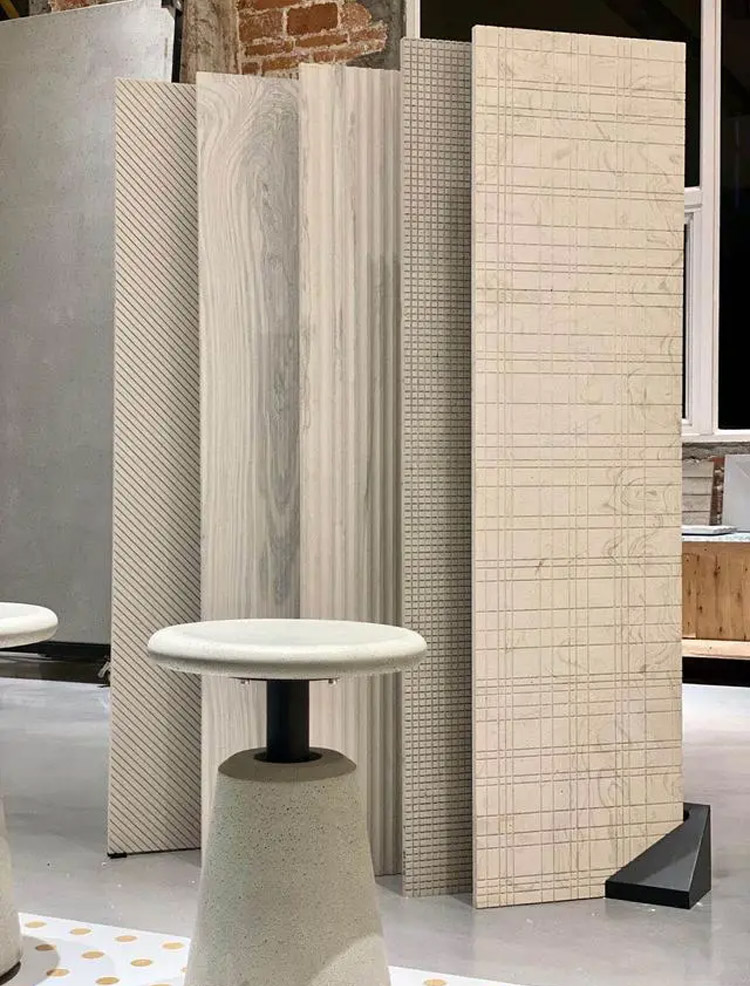
Inorganic artificial traverite is derived from inorganic materials and secondary reuse of construction waste. The products produced are green, safe and environmentally friendly, which can meet the requirements of material supply and continuous supply of large projects.
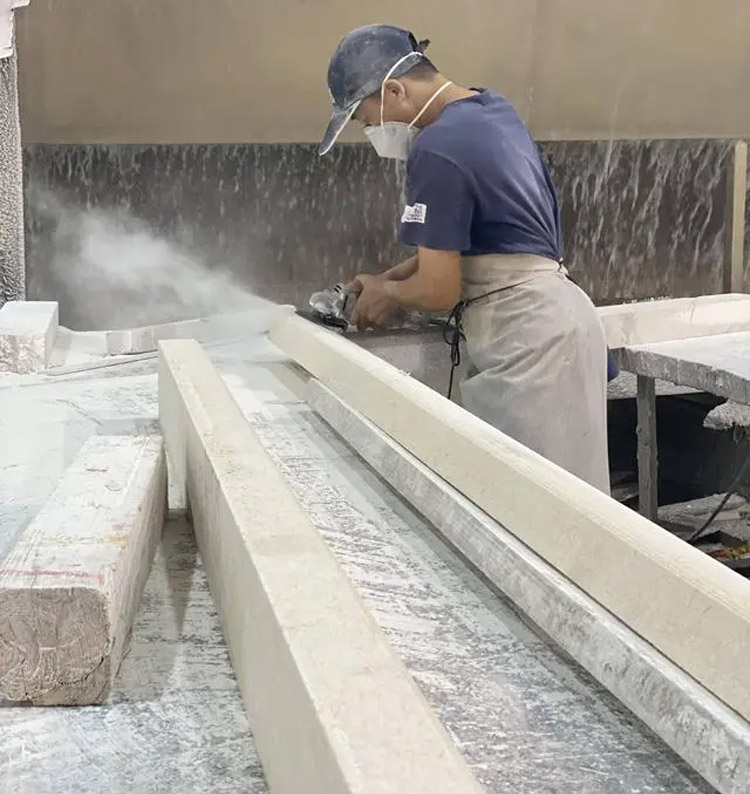
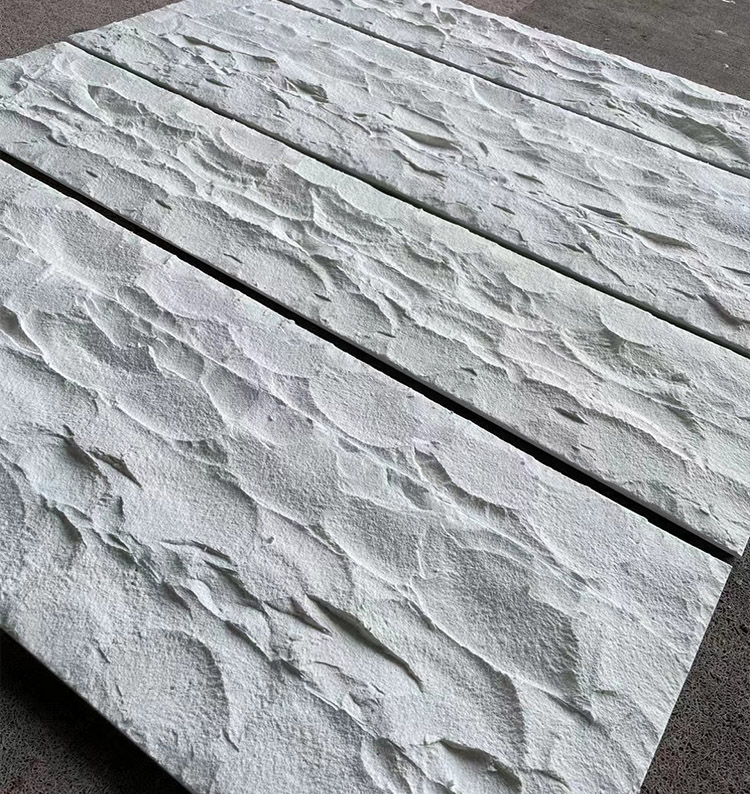
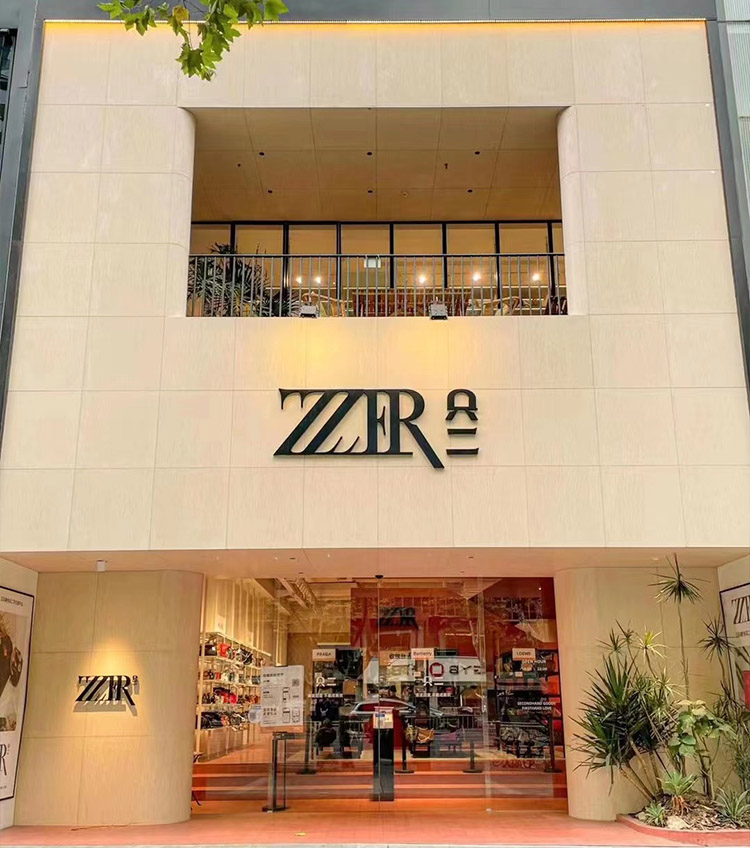
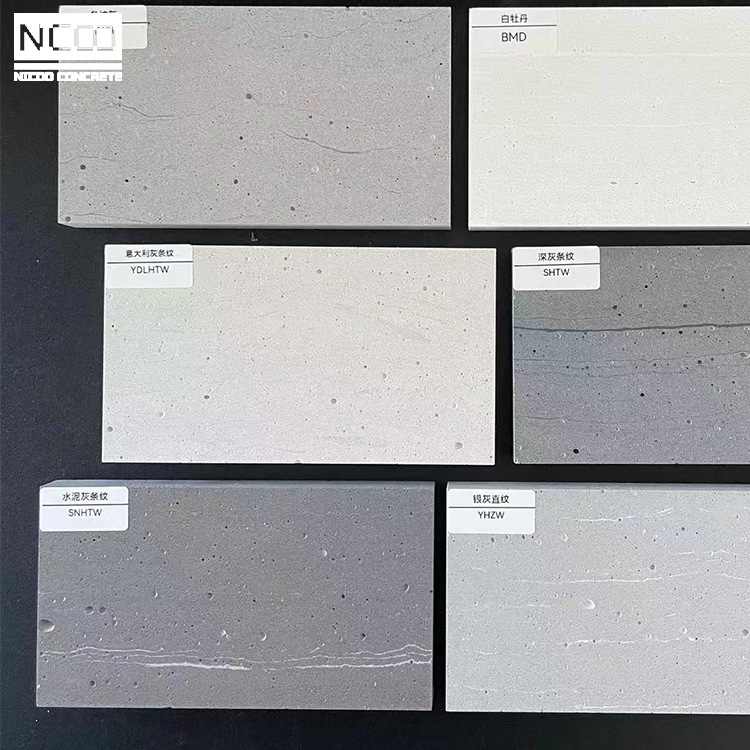
The size of the large board is fixed at 1200*2400mm, the grain effect is controllable, the overall effect can be predicted in the early stage of design, and the surface is delicate matte texture.
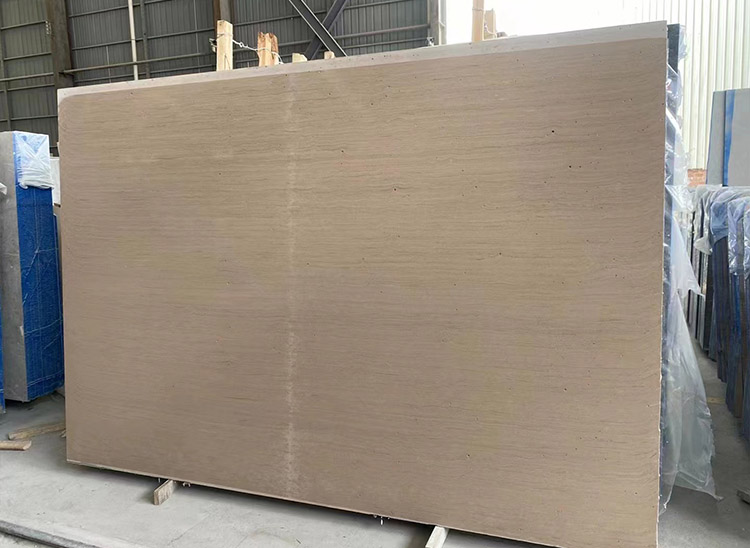
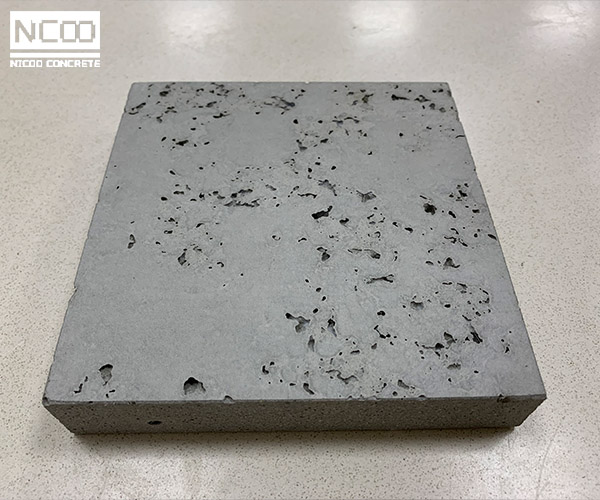
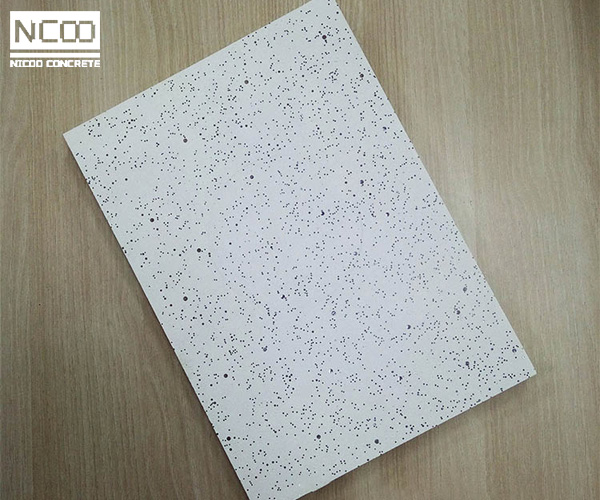
The plate has microholes, the surface effect is unified, and it has a slightly different natural feeling. It can also customize the color and texture according to the requirements, breaking through the natural uncontrollable factors of traditional natural stone.
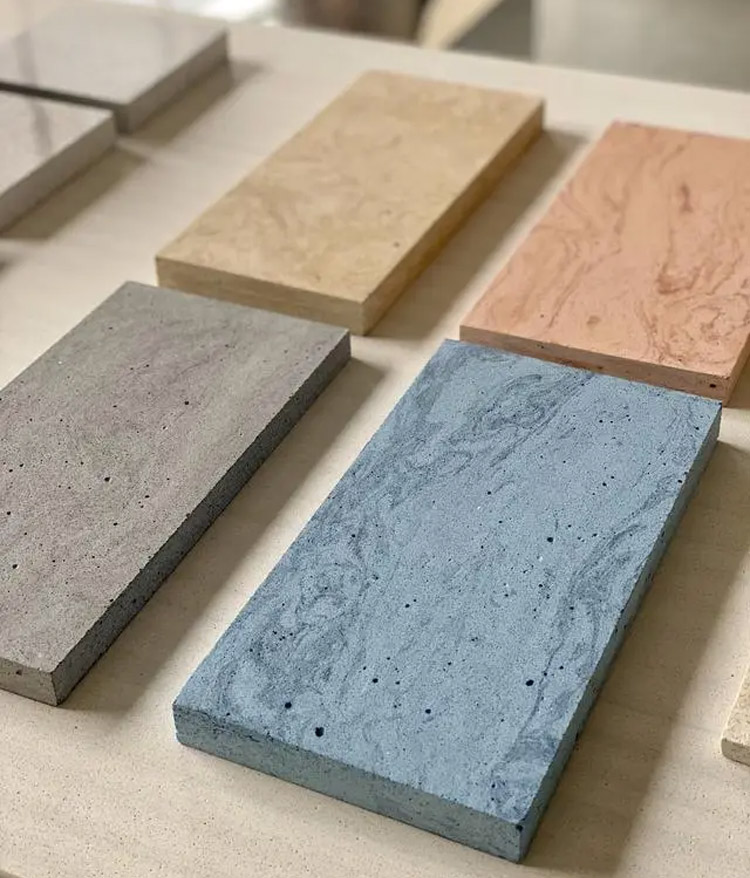
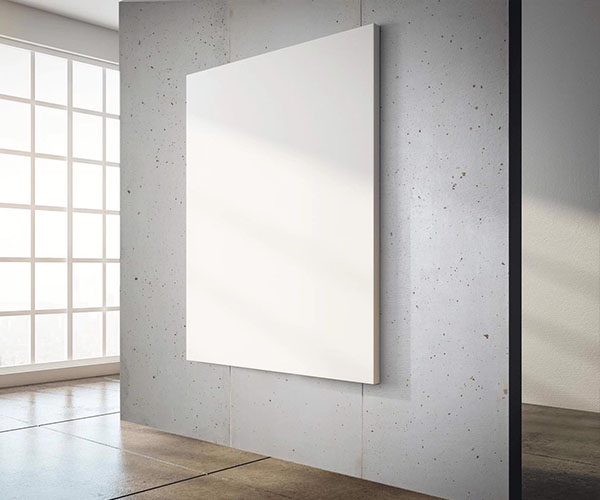
Flexible Tile Manufacturer Take You To Understand The Price
We know that the price of flexible tile from each manufacturer is different, how do we know whether the price he gives is expensive or cheap, let's take a look.
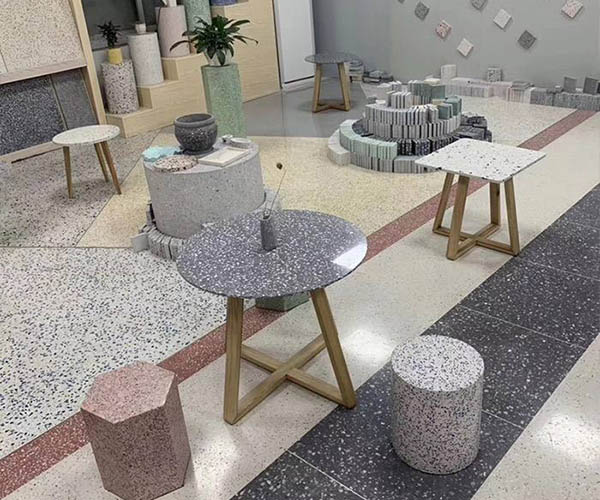
Unique and Creative Terrazzo Tiles Design
The floor that can achieve a large area of seamless is a new type of inorganic terrazzo material, using special materials and construction technology, the pressure on the floor is lighter, and the overall effect can achieve a seamless effect.
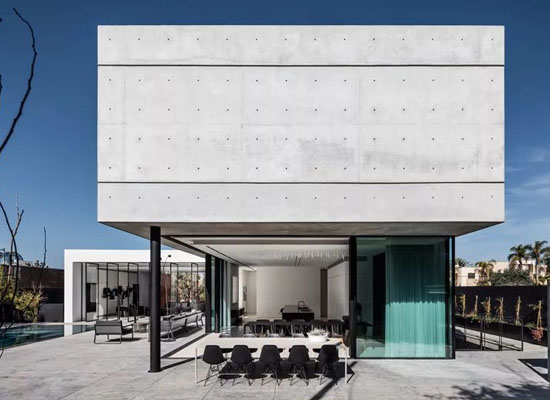
60 Concrete Questions told to You by Nicoo Concrete Manufacturers - Part 2
60 Concrete Questions Part 2 -- Let Nicoo Concrete Manufacturers answer all your concrete questions.
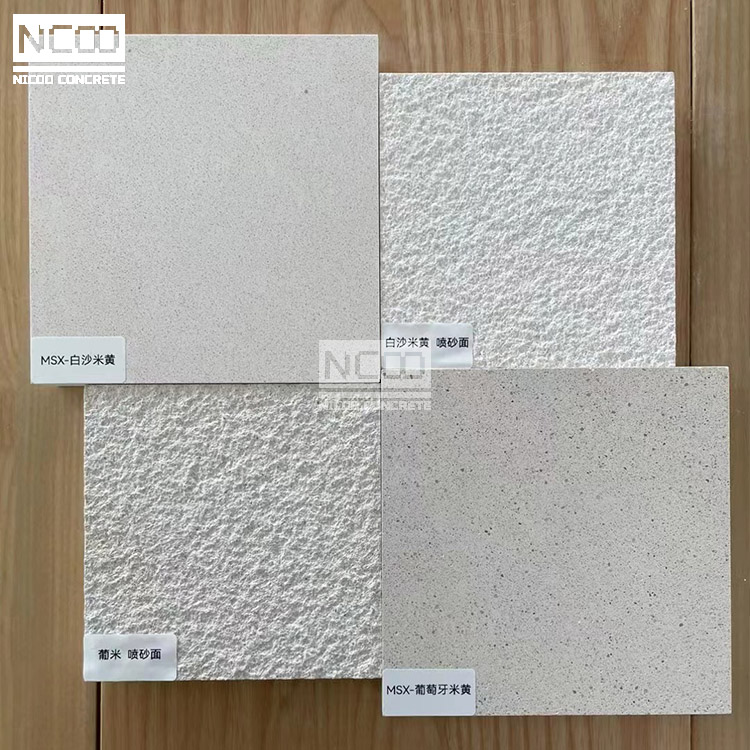
Why choose inorganic travertine?
New building material prefabricated inorganic traverteite plate.NICOO can provide free samples, so that customers more intuitive to see the quality of traverite plate.